How to Pick the Right Distribution Channels for Your ICP
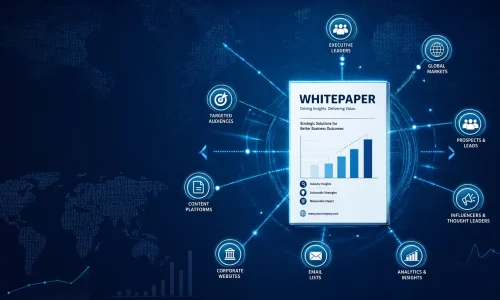
You spent three weeks writing a detailed whitepaper. Your designer made it look sharp. Your team is proud of it.
Then you publish it on your website, share it once on LinkedIn, and… silence.
No downloads. No leads. No pipeline movement.
Here’s the uncomfortable truth: the channel matters as much as the content. Maybe more.
Most B2B marketers treat distribution as an afterthought. They create first, then scramble to figure out where to put it. That’s backwards – and it’s why great content disappears into the void every single day.
This guide walks you through exactly how to match your content to the right distribution channels based on who your Ideal Customer Profile (ICP) actually is – not who you hope they might be.
First, Get Clear on What "ICP" Really Means in Practice
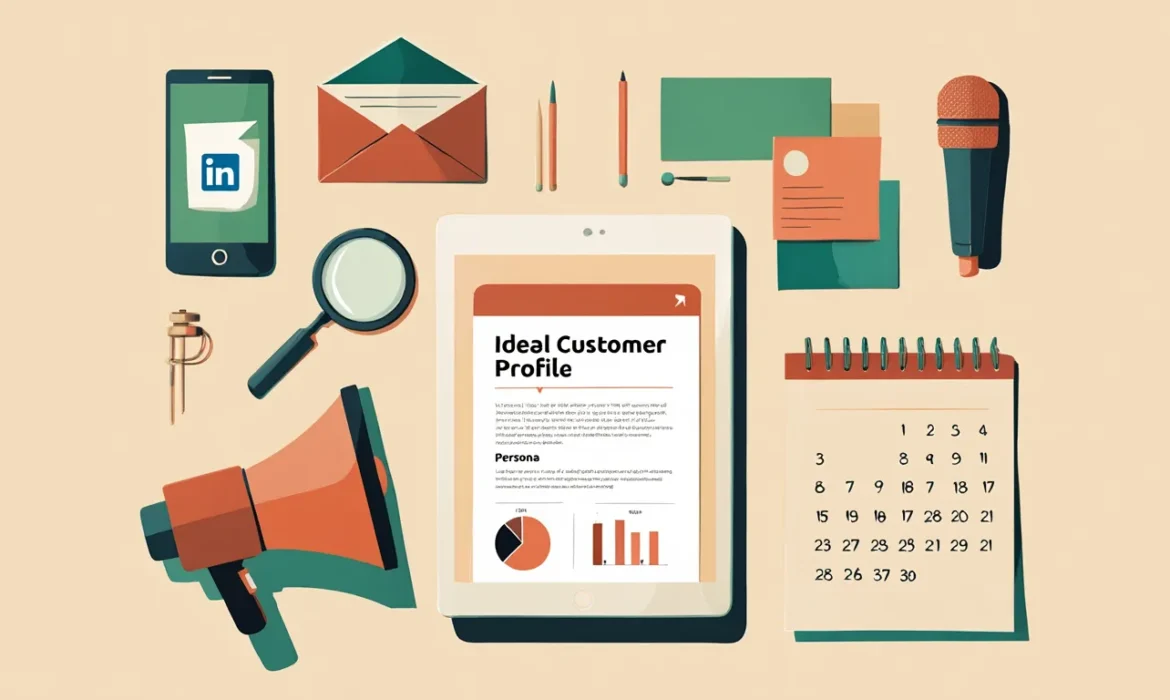
ICP isn’t just a persona document sitting in a Google Drive folder. It’s a sharp, specific definition of the type of company and the type of person most likely to buy from you, benefit from your product, and stick around.
For distribution purposes, your ICP has two layers:
Company-level: Industry, size, tech stack, geography, growth stage, budget authority.
Person-level: Job title, seniority, daily responsibilities, content consumption habits, what keeps them up at night.
Both layers matter. A VP of Marketing at a 50-person SaaS startup behaves very differently from a VP of Marketing at a 5,000-person enterprise – even though they share the same title.
Before you pick a single channel, you need to know where your specific ICP spends their time online, what format they prefer to consume content in, and what triggers their engagement.
If you don’t know these things yet, the rest of this guide will help you figure them out.
The Core Framework: Match Channel to Behavior
Distribution channels aren’t interchangeable. Each one attracts a different type of buyer, at a different stage, in a different mindset.
The mistake most teams make is picking channels based on what’s familiar or cheap – not what’s effective for their specific audience.
Here’s how to think about it correctly.
Step 1: Map Where Your ICP Actually Consumes Content
Start with research, not assumptions. Look at:
- Where do your existing customers say they discovered you? (Ask them directly.)
- What publications do they read? What newsletters are they subscribed to?
- Which LinkedIn content gets high engagement from your target titles?
- Are there industry forums, Slack communities, or Reddit threads where they’re active?
- Do they attend specific conferences or consume specific podcasts?
You’re building a behavioral map, not a demographic profile. You want to know what they do, not just who they are.
One fast way to get this data: look at your closed-won deals from the last 12 months and trace how those contacts engaged before they converted. What content did they download? What emails did they open? Where did they come from? Your CRM probably holds the answer – most teams just never look.
Step 2: Understand Channel Intent Levels
Different channels carry different buyer intent, and mismatching intent to content stage is one of the biggest distribution mistakes in B2B.
High intent channels – the buyer is actively looking for a solution:
- Google Search (SEO and paid)
- Industry review sites (G2, Capterra, TrustRadius)
- Category-specific directories
These channels are great for bottom-of-funnel content: case studies, comparison pages, ROI calculators, demo requests.
Medium intent channels – the buyer is open to learning but not actively searching:
- LinkedIn (organic and paid)
- Industry newsletters
- Content syndication networks
- Webinars and virtual events
These work well for middle-of-funnel content: whitepapers, research reports, use case content, thought leadership.
Low intent channels – the buyer isn’t thinking about your category yet:
- Display advertising
- Podcast sponsorships
- Branded social media
- PR and earned media
These are better for awareness plays and brand-building, not direct lead capture.
The channel you pick should match where your ICP is in their buying journey – and what you want them to do next.
Step 3: Segment Your ICP by Role, Not Just Company
Even within a single target account, different stakeholders hang out in different places.
C-suite executives (CEO, CTO, CFO) tend to:
- Read curated newsletters and industry analyst reports
- Engage on LinkedIn with thought leadership content
- Respond to peer-to-peer recommendations
- Rarely scroll through Twitter or niche forums
Mid-level managers and directors tend to:
- Be more active in community Slack groups and LinkedIn
- Read long-form content like whitepapers and detailed guides
- Attend webinars and virtual summits in their niche
- Be discoverable through B2B content syndication
Individual contributors and practitioners tend to:
- Live in niche forums, Reddit, and Discord communities
- Search for specific how-to content on Google
- Follow industry influencers closely
- Engage with detailed, technical content
If your ICP involves multiple stakeholders – which it often does in B2B – you may need a multi-channel approach that puts different content in front of different people at the same target account.
Breaking Down the Most Effective B2B Distribution Channels
Now let’s get specific. Here are the channels that consistently work in B2B, and how to decide if they’re right for your ICP.
1.Content Syndication Networks
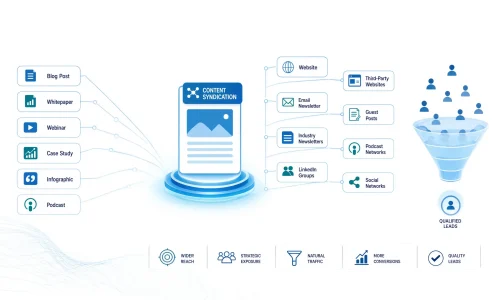
Content syndication involves distributing your existing content – whitepapers, case studies, blog posts, reports – across a curated network of B2B publishers, industry portals, and partner platforms.
A good content syndication for B2B leads service doesn’t blast your content everywhere – it places it precisely where your ICP actually spends time.
Best for: Mid-market to enterprise ICPs. Works especially well when your buyers are professional researchers who actively consume industry content before making decisions.
Why it works: Instead of waiting for buyers to find you, your content shows up in the places they already trust. You’re reaching them in a context where they’re in “learning mode,” which is exactly the right mindset for consuming a whitepaper or thought leadership piece.
What to look for in a syndication partner: Channel selectivity matters enormously. A good syndication service doesn’t blast your content to every available network – it places it specifically on platforms where your ICP actually spends time. You want validated lead data, not raw email addresses scraped from a form.
Content types that perform best: Whitepapers, research reports, how-to guides, and case studies. Anything that offers genuine value in exchange for contact information.
Red flags to watch: If a syndication partner can’t tell you exactly where your content will be placed, walk away. Broad, untargeted distribution is just noise.
2.LinkedIn (Organic and Paid)
LinkedIn remains the most reliable B2B channel for professional audiences. But it’s wildly misused.
Best for: Any B2B ICP with professional titles. Particularly effective for reaching VP-and-above decision makers and anyone in tech, finance, HR, marketing, or operations.
Organic LinkedIn works when you publish consistently, engage genuinely, and use your company page and employee advocacy together. The algorithm favors content that sparks conversation, not promotional posts.
LinkedIn Paid (Sponsored Content, Message Ads, Lead Gen Forms) gives you precise targeting by job title, seniority, company size, industry, and more. Lead Gen Forms in particular are underrated – they capture leads without making the user leave LinkedIn, which dramatically increases conversion rates.
The catch: LinkedIn is expensive on a cost-per-click basis. It rewards quality over volume. Don’t run LinkedIn ads with weak creative or untested offers – you’ll burn budget fast.
Pro tip: The most effective LinkedIn strategy for B2B is a combination of personal profile content from your executives (high reach, high trust) and paid amplification of your best-performing organic posts.
3.Targeted Email to Third-Party Lists
This isn’t the same as cold spam. Targeted email distribution means placing your content in front of a specific, permission-based audience through a publisher or media partner whose list matches your ICP.
This is where targeted email marketing to verified, segmented lists does the heavy lifting — especially in niche B2B verticals.
Best for: ICPs in niche industries where specific publications or newsletters have built a loyal readership.
Why it works: Email has higher engagement rates than most social channels when the list is well-matched to your content. A 15,000-person newsletter of IT directors in the healthcare sector is worth more than 200,000 generic “business decision makers.”
What matters most: List quality and audience match. Before committing to any email placement, ask the publisher for their average open rates, click rates, list segmentation options, and how they acquired their subscribers.
Content that works best here: Gated assets (whitepapers, guides, reports) that give the reader a clear reason to click and download.
4.Industry Publications and Niche Portals
Every vertical has its go-to media brands. In cybersecurity, it’s Dark Reading, SC Media, and Infosecurity Magazine. In HR tech, it’s SHRM, HR Dive, and Workology. In finance, it’s CFO.com, Finance Dive, and American Banker.
Best for: ICPs with a strong vertical identity – where your buyers see themselves as part of a specific industry community.
Why it works: Placement in a trusted industry publication lends third-party credibility to your brand. Buyers trust the publisher, and that trust extends to the brands featured there.
Two routes: You can either earn placement through editorial (contributed articles, expert commentary, guest columns) or pay for sponsored content and content placements.
Both have merit. Editorial placements are harder to get but carry more credibility. Sponsored placements are faster and more controllable but need strong creative to not feel like ads.
5.B2B Podcasts and Video
Audio and video content is growing fast in B2B. Decision makers increasingly consume podcasts during commutes, workouts, and travel – which means you can reach them outside of the traditional digital channels.
Best for: ICPs who are senior leaders or entrepreneurs. Less effective for technical practitioners who prefer written documentation and how-to content.
Routes in: Sponsoring established podcasts in your niche, securing guest spots on shows your ICP listens to, or building your own show.
Guest podcast appearances are an underused distribution channel. A 45-minute conversation on a well-regarded industry podcast puts you in front of a highly engaged, self-selected audience – often with very little cost beyond prep time.
Track ROI carefully: Podcast attribution is notoriously difficult. Use dedicated landing pages, promo codes, or UTM links to track how well specific placements convert.
6.Community Platforms (Slack, Discord, Reddit, Forums)
Your buyers don’t just read content – they talk to each other. And those conversations happen in communities.
Best for: ICPs who are practitioners, individual contributors, or founders. Less effective for reaching senior executives.
Why it works: Community members trust recommendations from peers. If your content genuinely helps someone solve a problem, they share it – and that organic word-of-mouth is worth more than any paid placement.
Important: Communities require a different approach than other channels. You can’t just drop a link to your whitepaper in a Slack group and expect results. You need to be a genuine participant – answering questions, sharing knowledge, building a reputation – before you start sharing your own content.
Direct promotion in communities usually gets you banned or ignored. Genuine contribution, occasionally linking to your content when it’s the most useful answer, works.
How to Prioritize When You Can't Do Everything
You don’t have infinite budget or time. So how do you decide where to start?
Use this simple scoring approach:
- Audience match score (1–5): How well does this channel reach your exact ICP?
- Intent match score (1–5): Does this channel align with where your ICP is in their buying journey?
- Content format fit (1–5): Does the format your content is in work natively on this channel?
- Cost efficiency (1–5): What’s the estimated cost per qualified lead relative to your budget?
- Measurability (1–5): Can you track conversion from this channel reliably?
Add the scores. Start with the channels that score highest. Revisit quarterly as you gather performance data.
The goal isn’t to be everywhere. It’s to be in exactly the right places, consistently.
Common Mistakes to Avoid
Choosing channels based on where your competitors are, not where your buyers are. Your competitors might be wrong. Or they might be targeting a slightly different ICP. Do your own research.
Using the same content format on every channel. A 3,000-word whitepaper doesn’t work as a LinkedIn post. Adapt your content for the format norms of each channel.
Measuring vanity metrics instead of pipeline impact. Impressions and clicks are easy to report. What matters is how many qualified leads entered your pipeline and how many progressed. Track that.
Giving up too early. Most distribution channels take 60–90 days to show meaningful data. Don’t pull the plug after two weeks because you didn’t get a flood of inbound leads overnight.
Treating distribution as a one-time push. The best content programs syndicate and distribute continuously. A whitepaper published once and forgotten is a wasted asset. Put it back in rotation every quarter.
The Bottom Line
Picking the right distribution channel isn’t a guessing game. It’s a decision rooted in knowing your ICP deeply – where they are, what they’re looking for, and what format they prefer to consume.
The teams that get this right are the ones that stop producing content for their own website and start placing it strategically in front of the exact buyers they want to reach.
Your content is already good. The question is whether the right people are seeing it.
Ready to Get Your Content in Front of the Right Buyers?
At 24 Media Advert, we place your whitepapers, case studies, blogs, and reports across a curated network of B2B platforms – targeting your exact ICP by industry, job title, company size, and more.
No spray-and-pray. No untargeted blasts. Just your content, in front of the buyers who matter, with validated leads delivered straight to your CRM.
👉 Explore our Content Syndication service and see how we can turn your existing content into a consistent lead generation engine.